
Don't Miss a Beat: Why Your Family Doctor Should Always Check Your Ears
- OliveHealth

- Dec 1, 2025
- 2 min read
Updated: Jan 29
Medically Reviewed by Ed Fuentes, D.O. | Board Certified in Family Medicine (1998-2034)
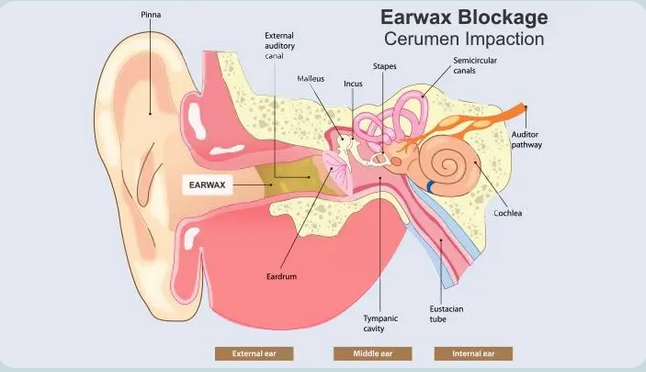
We all know the routine: blood pressure, weight, maybe a quick "ahhh" to check your throat. But how often does your family doctor take a peek inside your ears during a routine check-up? Surprisingly, it's often overlooked, and that simple oversight could be costing you more than just a missed conversation.
In an age where we assume hearing loss means expensive hearing aids, it's time for a vital reminder: sometimes, the solution to hearing loss is as simple as a quick, painless clean.
The Silent Culprit: Earwax Impaction
Your ears are incredible self-cleaning machines. The skin inside your ear canal slowly migrates outwards, carrying old skin cells and earwax (cerumen) with it. This natural "conveyor belt" usually works perfectly, keeping your ears clear.
But sometimes, this brilliant system fails. And when it does, earwax can build up, harden, and create a blockage that silently robs you of your hearing.
Why Does the Self-Cleaning Mechanism Fail?
Several factors can cause this natural process to go awry:
Cotton Swabs & Earbuds: Ironically, our attempts to "clean" our ears are often the biggest culprits. Cotton swabs, earbuds, or even fingers push wax deeper into the canal, compacting it against the eardrum.
Aging: As we get older, our earwax becomes drier and harder, making it more difficult for the ear to expel naturally. This is why seniors are particularly prone to impaction.
Hearing Aids: These wonderful devices can inadvertently block the natural outward migration of wax, leading to buildup.
Narrow Ear Canals: Some people simply have narrower or more winding ear canals, making them more susceptible to blockages.
The Misleading Symptoms of Earwax Impaction
When wax builds up, the symptoms can be surprisingly diverse and often mistakend for more serious (and expensive!) problems.
Hearing Loss: This is the most common sign. It might be sudden, partial, or fluctuate, often feeling worse after a shower or swim as the wax absorbs water and swells. You might notice yourself asking people to repeat themselves more often.
A Feeling of Fullness: It feels like your ear is plugged or underwater.
Tinnitus: A persistent ringing, buzzing, or humming sound in your ear. The pressure of the wax can irritate the sensitive structures of your ear, creating these phantom noises.
Dizziness or Vertigo: Less common, but severe blockages can affect your balance.
Earache or Itching: Sometimes the wax can irritate the ear canal, causing discomfort or a persistent itch.
These symptoms can easily be attributed to age-related hearing loss or other conditions, leading people down a path of expensive diagnostic tests or even unnecessary hearing aid purchases.
The Simple Solution: A Quick Check-Up
Here's the crucial part: a simple, quick look inside your ear with an otoscope by your family doctor can immediately identify if earwax is the culprit.


Comments