
The "Thanksgiving Gout" Trap: Why Your Holiday Meal Causes Pain Weeks Later
- OliveHealth

- Dec 14, 2025
- 3 min read
Updated: Jan 29
Medically Reviewed by Ed Fuentes, D.O. | Board Certified in Family Medicine (1998-2034)

A Family Tradition You Want to End
If your family’s post-holiday tradition involves limping, sudden foot pain (often in the big toe), and an inability to use the stairs, you are not alone—you’ve experienced the infamous ThanksgivinG Gout Flare.
Gout is the most common form of inflammatory arthritis, caused by excess uric acid forming painful crystals in the joints. The key is to understand that a flare is often delayed. That wonderful turkey dinner isn't just a day-of event; its effects on your uric acid levels can peak 10 to 14 days later, leading to a painfully unwelcome surprise.
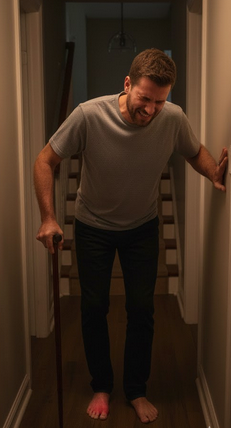
Here is a guide to understanding and preventing the seasonal gout flare-up, helping you protect your joints next holiday season.
High-Risk Holiday Foods to Approach with Caution
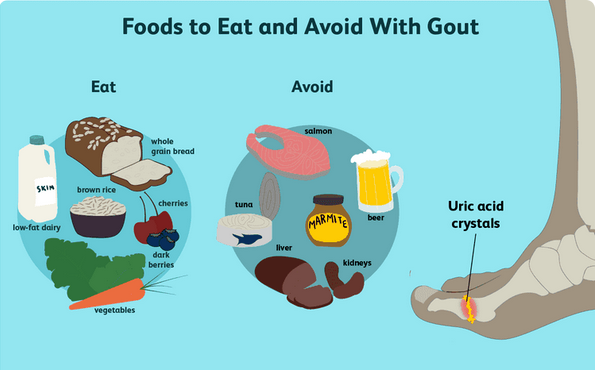
The Thanksgiving table is a perfect storm for gout because it combines the three main dietary triggers: high purines, high fructose, and alcohol.

What to Do During an Acute Flare (Before the Doctor)
A gout attack is extremely painful. The goal here is to reduce pain and inflammation until you can get proper medical treatment.
1. Pain Relief and Icing
Take Over-the-Counter (OTC) Anti-Inflammatories: If your doctor allows, use NSAIDs like Ibuprofen (Advil, Motrin) , Acetaminophen or Naproxen (Aleve) as soon as you feel the first twinge of pain. Do not use aspirin; it can worsen gout.
Ice the Joint: Apply an ice pack wrapped in a cloth to the affected joint for 20-30 minutes, several times a day.
2. Hydration and Rest
Drink Water: Focus on drinking several extra glasses of plain water daily. This helps the kidneys flush uric acid out of your system. I like to put a lemon squeeze and honey in mine.
Elevate and Rest: Keep the affected joint (usually the foot) elevated and completely still. Even the weight of a sheet can be unbearable during a flare.
3. Diet Adjustment (Immediate)
Stop All Triggers: Immediately cut out all alcohol, sugary drinks, high-purine meats, and high-fructose foods.
Reach for Cherries: Eat fresh or frozen cherries, or drink unsweetened tart cherry juice. Studies suggest the anthocyanins in cherries have anti-inflammatory and uric-acid-lowering properties.
Practical Steps to Avoid Future Flare-Ups
This is your battle plan for next holiday season and beyond.
1. The Prophylactic (Preventative) Diet
Limit Portions, Don't Eliminate: Instead of a second and third helping of turkey, stick to a 4-6 ounce portion of light meat. Fill the rest of your plate with low-purine vegetables (potatoes, green beans, carrots).
Say NO to Sugary Drinks: Avoid soda and sweet juices entirely around the holiday. Drink plain water or sparkling water with lemon.
Dairy Power: Incorporate low-fat dairy (milk, yogurt) into your daily routine. Dairy proteins have been shown to help the body excrete uric acid.
2. The Hydration Strategy
The Day Before and Day After: Double your water intake on the day before the feast and the day after to help process the purine load.
The Cocktail Swap: For every alcoholic beverage you consume, drink one full glass of water.
3. Get Your Uric Acid Checked! (The Most Important Step)
A flare-up is a clear signal that your baseline uric acid level is too high.
See Your Doctor: Schedule an appointment with your Primary Care Physician (PCP) or a Rheumatologist. They will check your uric acid level and may start you on Prophylactic Therapy (often a low dose of Colchicine) or Urate-Lowering Therapy (ULT) (like Allopurinol).
Remember: ULT is the only way to dissolve the crystal stores in your joints and truly stop the vicious cycle of seasonal flares.
Don't let gout be part of your holiday tradition! A little preparation and a commitment to treatment can keep you on your feet and enjoying the season.


Comments